

Sorry no search results for "{{searchterm}}"

Think twice before asking Santa for a scanner this year

Thinking of asking Santa to bring you a scanner this year? We know you’re finally ready to organize that giant box of family photos or your organization’s dusty archive materials, but before you address that envelope to the North Pole, let’s talk about the difference between scanning and digital preservation. They’re far from the same thing.

Continue reading “Think twice before asking Santa for a scanner this year”
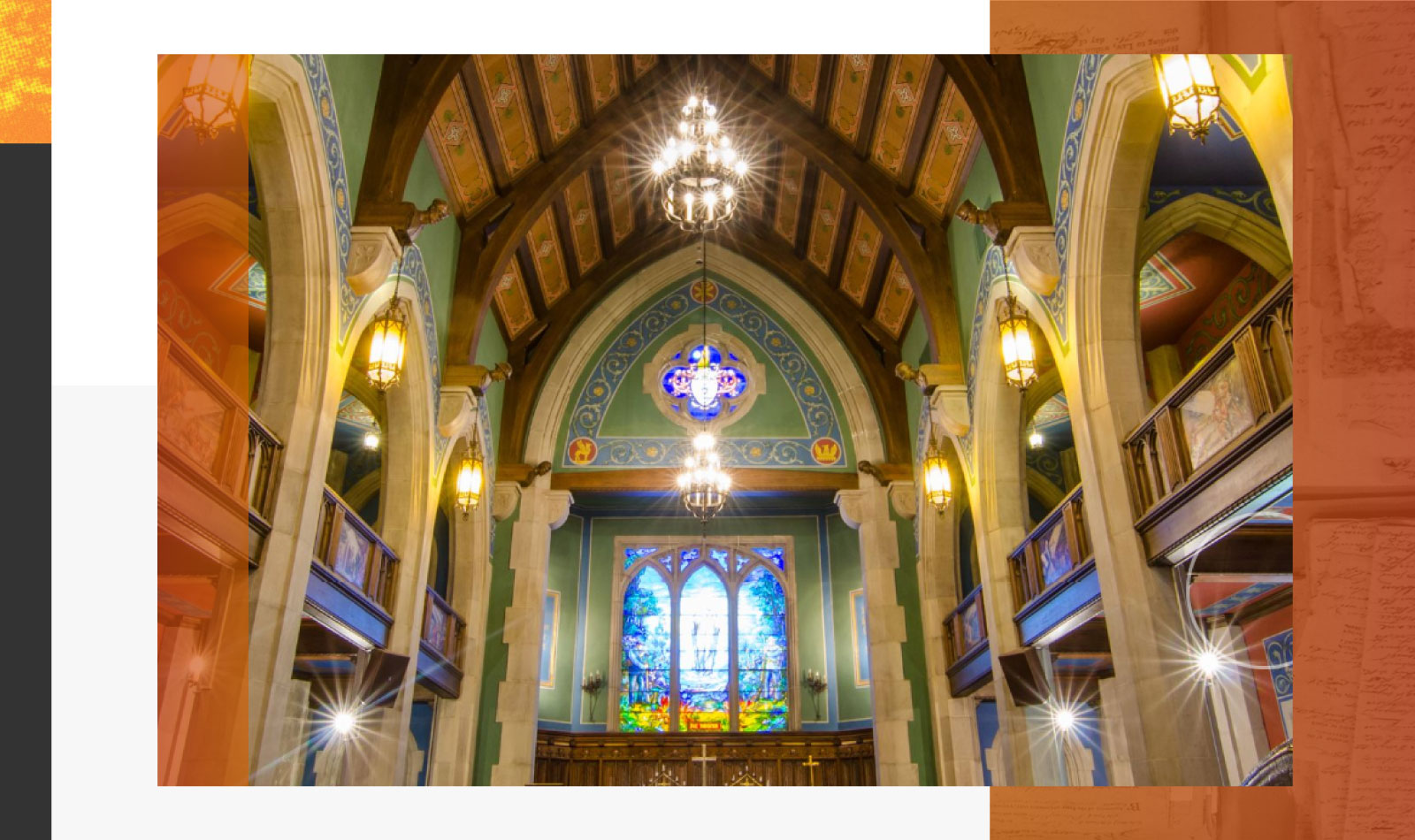
Hidden History: Tiffany Windows in Fraternity Memorial Headquarters

This blog is part of a series exploring the surprising places that we discover history. We often think of museums, historical societies, and libraries as the sole repositories of our past . Yet, they are everywhere! Stories are often buried away in the least likely of places and we at HistoryIT love unearthing and saving them. This week, we look at Tiffany windows.

Continue reading “Hidden History: Tiffany Windows in Fraternity Memorial Headquarters”

The 3 Fs Endangering Your History: Forgetting

This is the third in a three-part series focused on the most severe dangers to history (what HistoryIT calls the 3Fs – Fire, Flood, and Forgetting).

Fire and flood, whether natural disaster or human-made, pose great risks to our historical materials. However, the third F, forgetting, is the only fully preventable one. And if we fail to undertake this step, there is little point to saving the rest of it. An array of artifacts without any explanation or information pertaining to their purpose, background, use, etc. will do little to inform the future.

Continue reading “The 3 Fs Endangering Your History: Forgetting”

The 3 Fs Endangering Your History: Flood

This is the second in a three-part series focused on the most severe dangers to history (what HistoryIT calls the 3Fs – Fire, Flood, and Forgetting).

Floods have caused trouble for centuries, but now we have tools that can help mitigate their destructive powers. And no, I don’t mean a good pair of waders, although those certainly come in handy.

Continue reading “The 3 Fs Endangering Your History: Flood”

The Future of History is More Relevant Than Ever

Six years ago, in October 2014, I was focused on preparing for my first-ever TEDx talk. Titled “The Future of History,” my talk focused on what I like to call “Generation Click,” the group of people who grew up accessing information exclusively digitally and who have no personal memory of using non-digital tools such as card catalogs or encyclopedias.

Continue reading “The Future of History is More Relevant Than Ever”

The 3 Fs Endangering Your History: Fire

History is always in danger. By history, we mean the historical assets that we use as evidence and examples to share stories from the past. These assets are often in a state of jeopardy. Numerous forces could destroy these resources and the histories they contain. This blog series addresses what we at HistoryIT call the 3Fs — the greatest dangers to your history: Fire, Flood, and Forgetting.

This post takes a look at the first F — fire. We have observed that most of us are aware that our historical archives — whether personal or institutional — are one matchstick away from total destruction. This is a serious concern. Though, it rarely prompts an urgency for digital preservation. We always think it won’t be our house that burns. Until it does.

Continue reading “The 3 Fs Endangering Your History: Fire”

How to develop a sense of belonging when you can’t be together?

Looking to the past is more critical than ever as you build your organization’s future.

With no end in sight for the pandemic, organizations that rely heavily on recruitment must pivot from face-to-face interactions to online ones. How can your organization make the shift and thrive?

Belonging to an organization involves feeling like you are part of something greater than yourself. This notion develops not only through interactions with other members, but also through what you learn about the organization’s history, traditions, and values. As groups transition to virtual recruitment, they must find ways to mimic both of those pathways to belonging.

Continue reading “How to develop a sense of belonging when you can’t be together?”

How to talk about a shameful history

Individuals and organizations all have things from their past that they wish hadn’t happened or had been handled differently.  This can be as minor as that eighth-grade haircut or as serious as middle school bullying.  It can be as horrifying as knowing your ancestors owned slaves.  It can be as shameful as learning about racist policies and procedures implemented in your organization’s past.

Continue reading “How to talk about a shameful history”

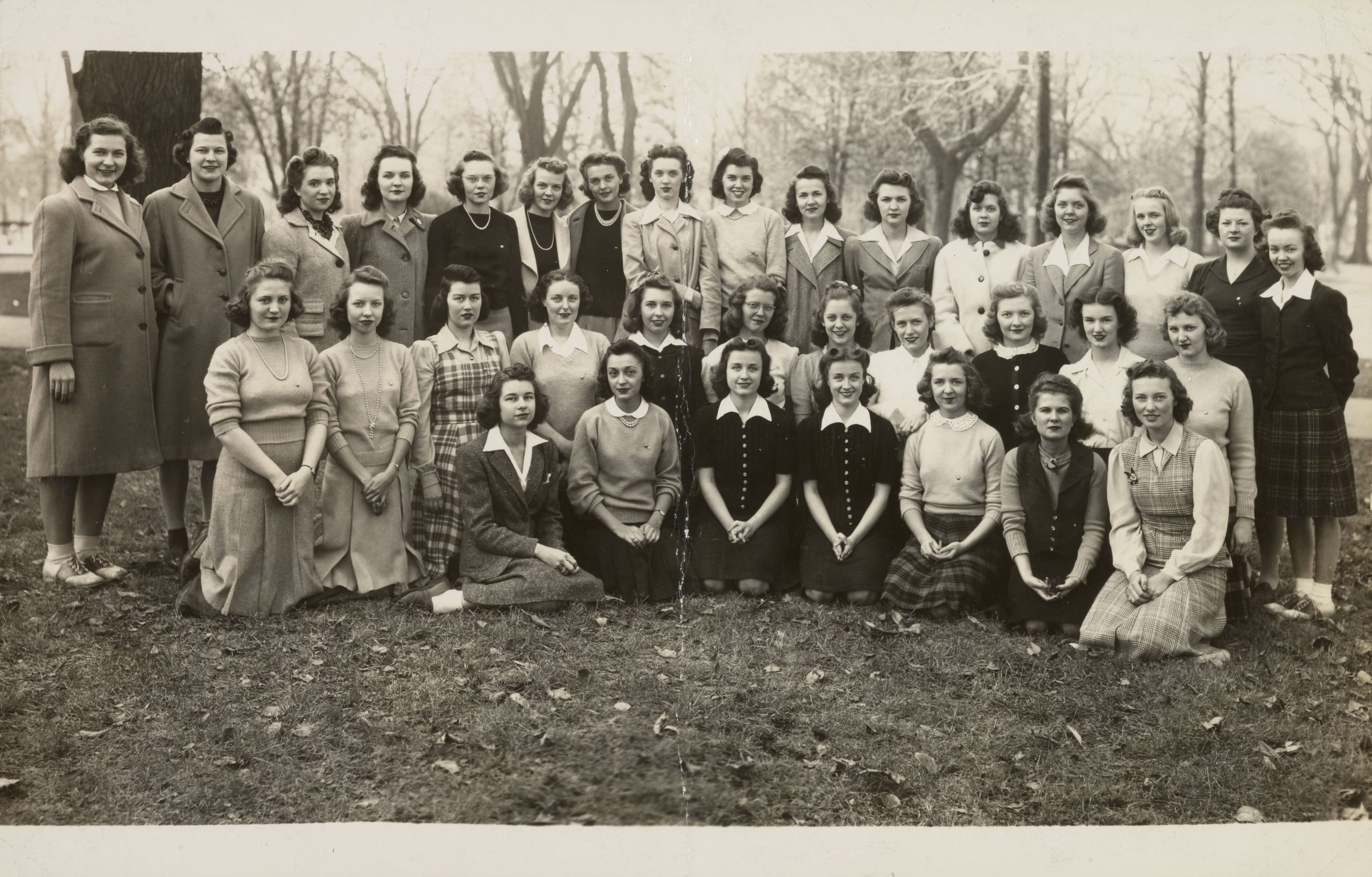
History Shows Attack on Greek Life Nothing New

With Harvard and other leading universities seeking to ban or effectively eliminate single-gender organizations by sanctioning their members, sororities and fraternities are under attack.

It’s not the first time.

Continue reading “History Shows Attack on Greek Life Nothing New”

Sharing the Legacy of Mayor Hudnut

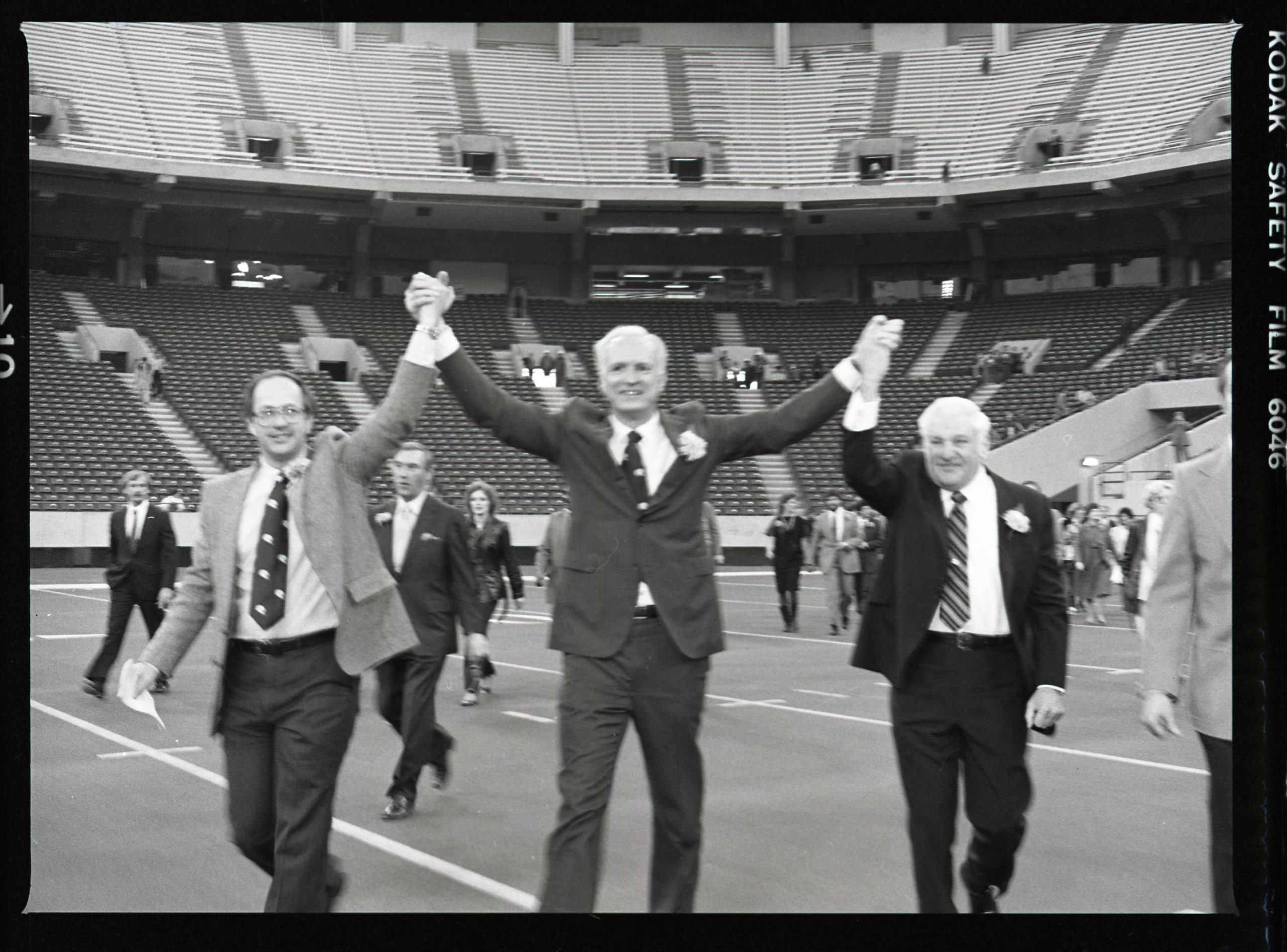
I first got to know the magnetic William Hudnut, III not through that twinkle in the eye, the baritone voice, or the signature “Hudnut Hook.” Instead, I got to know this larger-than-life personality through historical documents preserved thanks to a visionary partnership between the University of Indianapolis and digital history pioneer HistoryIT .

Continue reading “Sharing the Legacy of Mayor Hudnut”